
Archive

November 29, 2026

Browsing

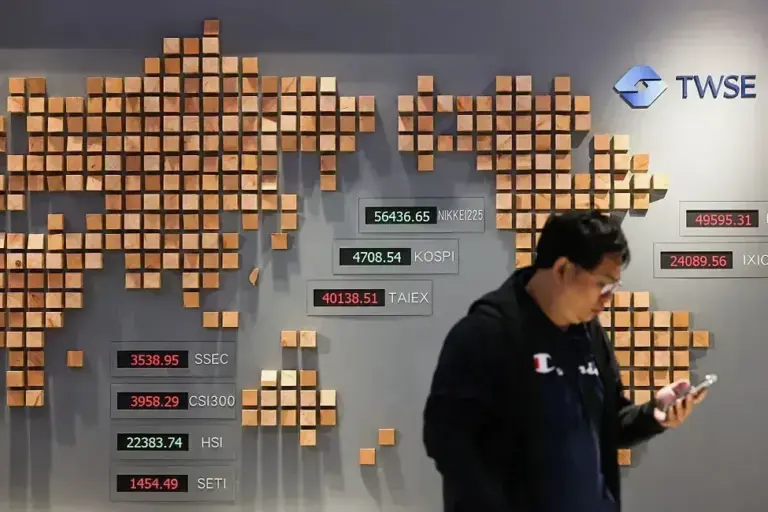
Major Asian indices climbed across the board on Friday as investors shook off a volatile start to the week. The recovery was led by a strong surge in South Korea’s Kospi, which jumped more than two percent, while Japan’s Nikkei 225 and Australia’s S&P/ASX 200 also posted steady gains. This upward trend signaled a moment of respite for technology shares, particularly those linked to artificial intelligence, which saw early dips quickly erased as buyers stepped back into the semiconductor sector.

While most of the region celebrated green screens, New Zealand served as a notable exception. Stocks there dipped slightly as political instability took hold following an election result that stripped Prime Minister Christopher Luxon’s right-wing coalition of its parliamentary majority. With a centrist party now holding the balance of power, traders expressed caution regarding the country’s immediate legislative future.

The broader market sentiment remains fragile despite the current rally. Investors are navigating a complex landscape featuring potential trade wars sparked by Donald Trump’s proposed tariffs on global partners and anticipation surrounding the Federal Reserve’s upcoming interest rate decision. Adding to the tension, oil prices continued to climb following Houthi attacks on Saudi energy infrastructure, heightening fears of further escalation in the Middle East.

Corporate headlines also provided significant movement in Japan, where Japan Tobacco shares soared on reports of a potential partnership with U.S.-based Altria to acquire Imperial Brands. This optimistic news comes at a difficult time for the tobacco giant, which is currently grappling with nearly nine billion dollars in losses after Russia seized its local subsidiaries amidst deteriorating diplomatic ties between Moscow and Tokyo.
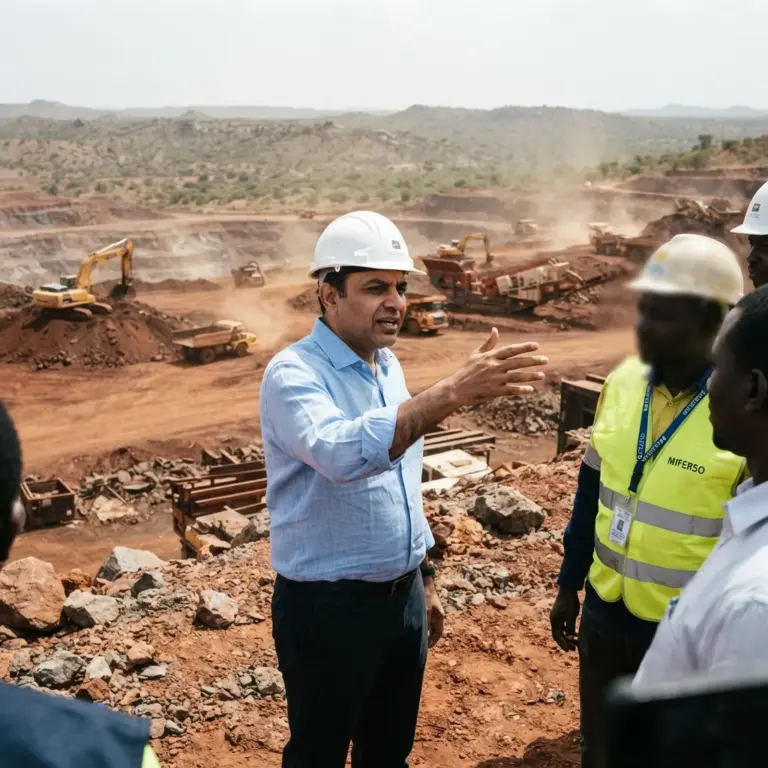
Indian business magnate Sanjeev Mansotra is steering a massive financial commitment toward West Africa, pledging 933 million dollars to unlock one of Senegal’s most significant iron ore reserves. Working alongside the state owned mining firm MIFERSO, Mansotra’s company, Planet One, will hold an eighty percent stake in the venture through a special purpose vehicle. This strategic partnership aims to tap into a deposit estimated at 600 million metric tonnes of resources, signaling a major shift in the region’s industrial landscape.

The rollout of the project will happen in stages to manage risk and ensure steady development. An initial injection of 200 million dollars is slated to fund essential mining infrastructure and critical upgrades to local road and rail networks over the next year and a half. According to Mansotra, the funding structure consists of forty percent equity and sixty percent debt, with plans to scale production from an initial five million tonnes per year up to a peak capacity of ten million tonnes. Once operational, the ore is expected to flow toward hungry markets in China, India, and across Africa.

For Senegal, this deal represents more than just foreign capital; it is a cornerstone of President Bassirou Diomaye Faye’s vision for national economic sovereignty. By moving away from simple commodity exports and focusing on higher value extraction and processing, the government hopes to build a sustainable industrial base that provides long term growth for its citizens. The move aligns with a broader continental trend where nations seek deeper integration into the global supply chain rather than acting solely as raw material providers.

This investment further cements Planet One’s footprint across the African continent. With existing ventures involving lithium in the Democratic Republic of Congo, bauxite in Guinea, and gold in Ghana, Mansotra is diversifying his portfolio across some of the world’s most sought after minerals. As demand for steel precursors remains high globally, this latest bet on Senegalese soil positions the group as a dominant player in Africa’s evolving extractive sector.

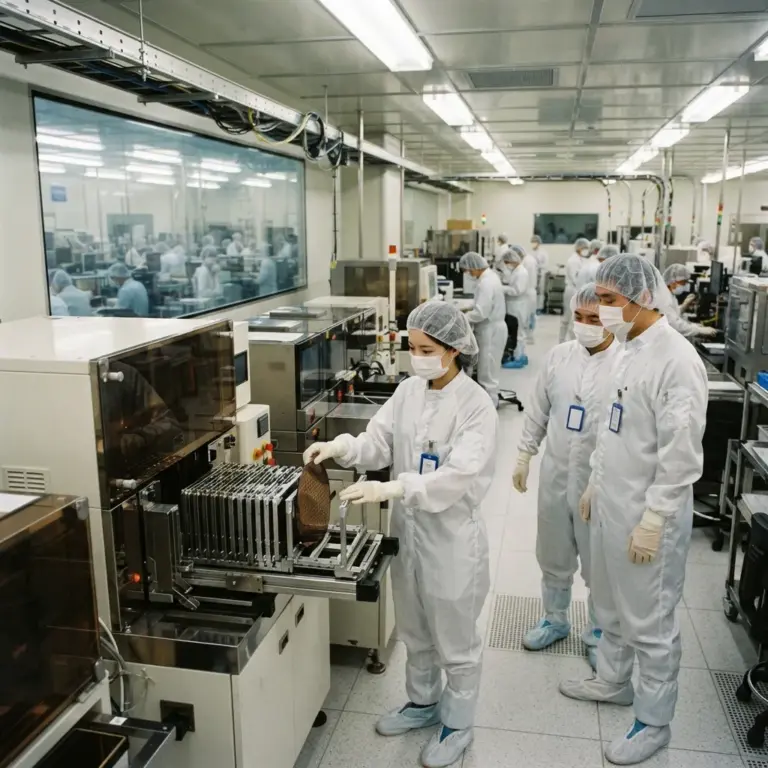
Nvidia has instructed its primary manufacturing partners, including industry heavyweights Dell and Super Micro, to immediately halt the shipment of servers to several Southeast Asian nations. This sudden freeze affects deliveries heading into Malaysia, Singapore, Thailand, and Indonesia while the company conducts a thorough internal assessment of whether its regional partners are strictly adhering to United States export laws.

The move comes as Washington tightens its grip on high end artificial intelligence hardware to prevent sensitive technology from reaching Chinese hands. For some time, firms in China have bypassed direct trade restrictions by accessing Nvidia chips remotely through data centers located across Southeast Asia. This strategic workaround created a significant loophole that allowed Beijing to maintain its momentum in the global AI race despite official sanctions.

Earlier this month, the US Commerce Department moved to close this gap, though reports suggest the decision was made with some hesitation. The scale of the issue is substantial, with figures from the Institute for Progress suggesting that these remote hubs provide roughly twenty four percent of all AI computing power currently available within China.

By pausing shipments now, Nvidia appears to be attempting to get ahead of potential regulatory penalties and ensure full compliance with federal mandates. While the duration of the hold remains unspecified, the disruption signals a hardening stance toward third party distribution channels that may inadvertently serve as conduits for restricted technology transfers.