Archive

November 7, 2026

Browsing

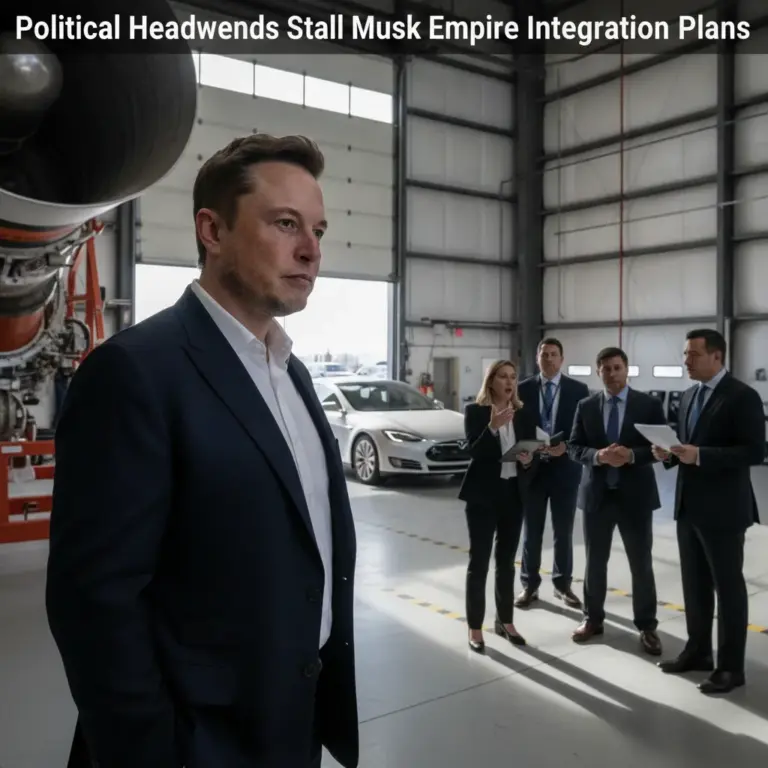
The ambitious prospect of merging SpaceX and Tesla seems to have hit a significant roadblock following the recent midterm elections. While speculators had long wondered if Elon Musk would consolidate his two most prominent ventures into a single corporate entity, current political shifts suggest that such a move is now far less likely. Industry analysts indicate that the changing legislative landscape may create too many regulatory hurdles for a merger of this scale to proceed smoothly at this time.

Adding to the complexity, Governor Greg Abbott has stepped in to request a formal pause on ongoing land negotiations involving these enterprises in Texas. This unexpected intervention introduces a layer of bureaucratic friction just as the companies were looking to expand their physical footprint within the state. The governor’s call for a timeout suggests that local government concerns over zoning or environmental impact may take precedence over rapid industrial growth.

These developments leave investors wondering how Musk will navigate the intersection of private ambition and public policy. With both the federal atmosphere shifting post-election and state leadership demanding more oversight on land deals, the momentum toward a unified company has stalled. For now, it appears SpaceX and Tesla will continue to operate as separate entities while they weather this period of political uncertainty in Texas and beyond.
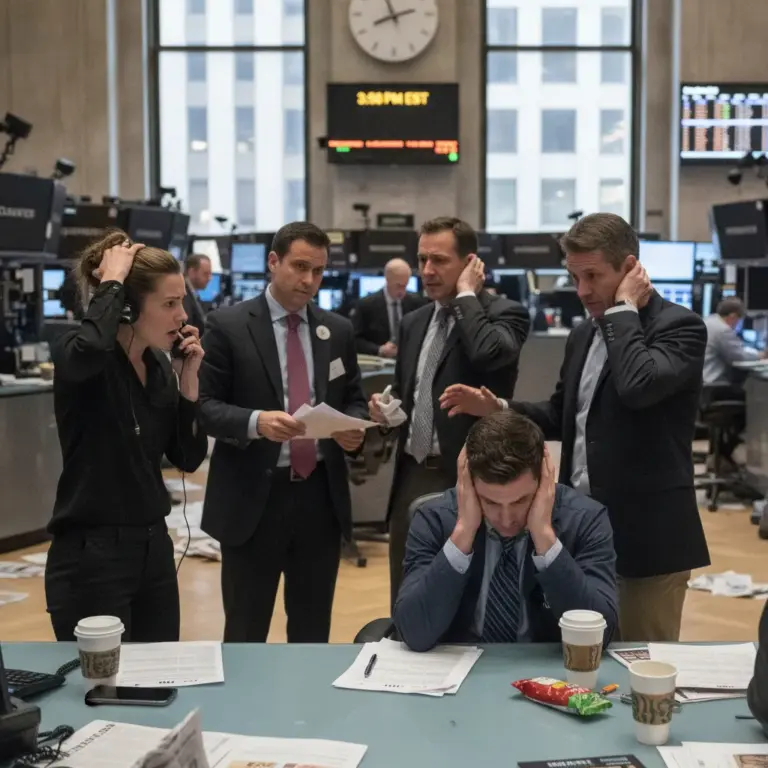
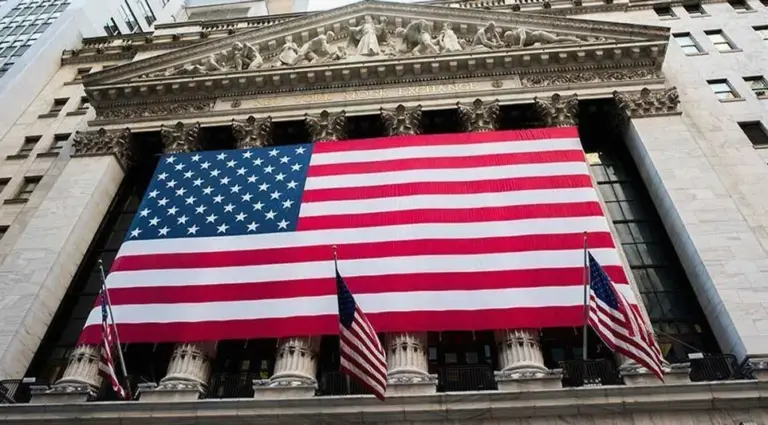
Wall Street experienced a volatile rollercoaster ride this week, erasing gains that had initially surged following Tuesday’s midterm elections. While investor optimism seemed high early in the session, the mood shifted dramatically by Thursday as a wave of selling swept through major indices. The sudden downturn has left traders questioning whether the recent rally was built on shaky ground.

The primary driver behind the slump appears to be a growing skepticism regarding the sustainability of massive investments in artificial intelligence. After months of aggressive spending and soaring valuations for tech giants, analysts suggest that shareholders are beginning to worry about when these costly AI initiatives will actually translate into significant profits. This anxiety triggered a sharp correction, pulling down several heavyweights that have led the market’s growth over the last year.

Financial experts note that these swings signal a period of heightened instability for individual investors. As the initial hype surrounding generative AI cools, the market is likely entering a phase where actual earnings reports will matter more than future promises. For now, the volatility serves as a reminder that even the most promising technological revolutions can face harsh reality checks from Wall Street accountants.

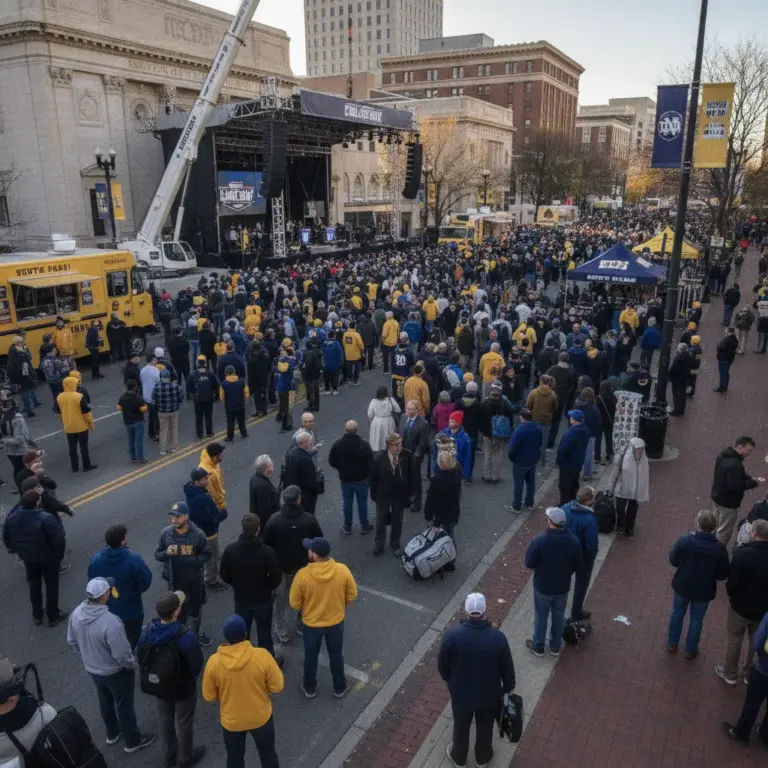
The atmosphere in South Bend is electric this week as number four Notre Dame prepares to host number one Miami in a matchup that has become the center of conversation across the region. With ESPN’s College GameDay descending upon the city, the anticipation extends far beyond the stadium walls. Local officials expect an immense influx of fans from across the country, turning the weekend into a massive financial engine for several surrounding counties.

Jeff Jarnecke, executive director of Visit South Bend Mishawaka, notes that these high profile home games typically inject roughly 36 million dollars into the regional economy. This impact stretches past St. Joseph County and reaches into Elkhart and Laporte counties as hotels hit maximum capacity and local eateries struggle to keep up with demand. The surge is particularly evident in the short term rental market, where Airbnb reports a staggering 300 percent increase in search volume, signaling that this could be the most visited weekend of the entire season.

Beyond the immediate buzz of crowded bars and packed lobbies, there is a long term benefit to this sporting spectacle. Jarnecke explains that innkeeper tax revenues generated during these peak events are reinvested directly back into community assets. These funds help sustain vital local landmarks such as the Potawatomi Zoo, the Morris Performing Arts Center, and various athletic complexes throughout the area, ensuring that the passion for college football leaves a lasting positive mark on public infrastructure.

As expectations build for over 100,000 visitors to descend on the area, businesses are gearing up for what promises to be a record breaking stretch of activity. All eyes will remain on both the scoreboard and the cash registers when the Fighting Irish finally kick off against the Hurricanes this Saturday evening at 7:30 PM.

The Nasdaq saw a significant resurgence today as investors pivoted back toward technology stocks, sparking a broad rally across the sector. After a period of uncertainty, market sentiment shifted upward, driven by renewed confidence in growth projections and strong quarterly momentum among major software and hardware firms. This turnaround suggests that traders are once again willing to bet on high valuation tech plays despite broader economic headwinds.

Leading the charge was Airbnb, which witnessed its shares rocket higher in a standout performance. The travel platform caught the eye of analysts and retail investors alike, benefiting from optimistic forecasts regarding global tourism recovery and strategic operational adjustments. As booking numbers climbed, the stock surged well beyond previous resistance levels, acting as a catalyst for other consumer-facing digital platforms throughout the session.

While the surge in travel and tech dominated the headlines, the wider market reflected a cautious yet hopeful appetite for risk. Traders spent much of the day balancing these aggressive gains against macroeconomic indicators, but the sheer strength of the Nasdaq indicated that momentum is currently favoring innovation over defensive holdings. Industry observers note that this shift could signal a longer term trend if current earnings trajectories hold steady into next month.