
Archive

November 6, 2026

Browsing

The United States men’s national team is preparing to return to action for the November international window, carrying the momentum of a perfect run of four consecutive victories. Manager Mauricio Pochettino has assembled a twenty five man squad tasked with navigating a high stakes two leg series against Haiti in the Concacaf Nations League quarterfinals. At stake is more than just progress in the tournament; a victory would secure a coveted berth in the 2027 Gold Cup.

While the roster features plenty of familiar faces, Pochettino is making it clear that tenure alone won’t guarantee a spot under his leadership. The Argentine manager is leaning heavily into the future, prioritizing raw potential and specific skill sets over current club status. This philosophy was most evident in his decision to leave some established staples at home while welcoming fresh blood into the fold, signaling a ruthless approach to building his ideal squad for the next cycle.

One of the biggest winners in this reshuffle is seventeen year old Mathis Albert. Despite struggling for playing time at Borussia Dortmund, where he has seen fewer minutes recently than he did during his first national team camp, Albert has earned Pochettino’s unwavering faith. The manager compared Albert’s situation to that of Gio Reyna, whom he backed despite limited appearances in Germany before Reyna eventually exploded onto the scene with standout performances for both club and country.

Pochettino described Albert as possessing a rare quality that is difficult to find elsewhere, insisting that the teenager can offer something unique to the American attack regardless of his lack of domestic minutes. By integrating Albert into a second consecutive senior camp, Pochettino is betting on instinct and long term development, hoping that trust from the national team will spark a resurgence for the youngster back in Europe.
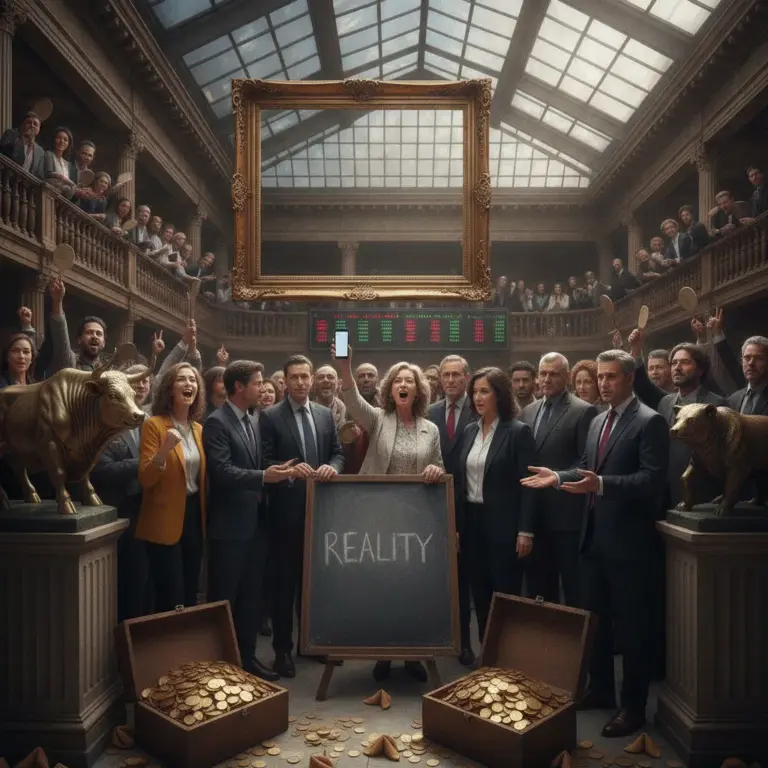

For several years, American investors have enjoyed a ride that can only be described as extraordinary. Since the turmoil of 2022, US equities have surged with an average annual return of nearly 19 percent, fueled by a frenzy around artificial intelligence and a relentless climb in stock prices. While these gains have padded portfolios, financial analysts warn that we are currently living through a historical anomaly rather than a new normal. For context, the long term compound growth rate for stocks over the last century has hovered closer to 10 percent, suggesting that current expectations may be dangerously inflated.

Several headwinds are beginning to gather on the horizon that could dampen future performance. Many experts point to rich valuations and the likelihood that interest rates and inflation will remain elevated for years to come. There is also a growing sense of uncertainty regarding whether the AI trade can continue its meteoric rise or if it has already priced in too much optimism. Strategists like Emily Roland of Manulife John Hancock Investments suggest that because investors haven’t faced significant sustained volatility lately, they may be unprepared for a inevitable correction.

This shift in perspective is leading many major firms to slash their long term forecasts. Vanguard, for instance, predicts annualized returns between 4.8 and 6.8 percent over the next decade, citing high price tags relative to actual corporate profits. Even more optimistic firms like BlackRock and JPMorgan are projecting figures well below the dizzying heights seen in recent years. The consensus is clear: while stocks aren’t necessarily headed for a crash, the era of effortless double digit gains is likely winding down.

However, there is a silver lining for those willing to diversify into steadier waters. The same rising interest rates that threaten stock premiums are making bonds look attractive again for the first time in ages. With some lower risk bonds offering yields of 5 percent or more, the gap between safe income and risky equity growth has narrowed significantly. Rather than abandoning the stock market entirely, professionals suggest tempering expectations and recognizing that fixed income may finally offer a competitive alternative once again.

During his 2024 campaign, Donald Trump leaned heavily into a narrative of rapid restoration, promising voters that a return to the White House would immediately slash the cost of living and revitalize an American economy battered by inflation. His message struck a chord with millions of citizens who felt the pinch of rising prices under the Biden administration and were desperate for a swift correction in their daily expenses.

Two years into his current term, the results present a complicated picture of partial victories and lingering failures. On one hand, there are visible wins that align with his rhetoric; the stock market has seen significant growth, and certain consumer staples, like egg prices, have dropped noticeably. For some supporters, these markers serve as evidence that his deregulation and tax strategies are working as intended.

However, these specific successes haven’t been enough to move the needle for much of the broader electorate. Many of the more ambitious promises regarding overall affordability remain unfulfilled, leaving large segments of the population still struggling with general costs. This gap between expectations and reality is reflected clearly in recent polling data, where Trump continues to struggle significantly when asked about his handling of the national economy.

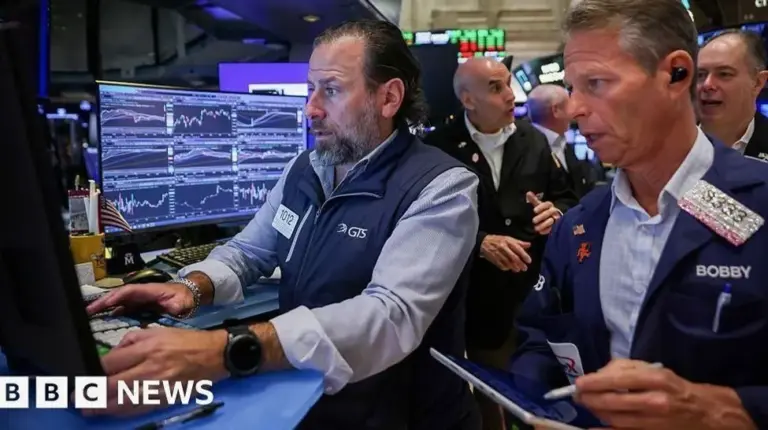
Wall Street experienced a staggering rout this week as hundreds of billions of dollars in market value vanished from the tech sector following the US midterm elections. Investors reacted sharply to Democratic victories in several key races, particularly those centered on platforms calling for a slowdown in AI expansion. This political shift triggered a massive slide for the Nasdaq composite, which plummeted more than five percent and lost roughly two and a half trillion dollars in capitalization, marking some of the worst trading days seen since 2025.

The volatility focused heavily on the hardware that powers modern computing, with semiconductor giants bearing the brunt of the collapse. Nvidia saw its valuation drop by over four hundred billion dollars as shares slid nine percent, while others like AMD and Micron tumbled even further. Even Elon Musk felt the impact of the electoral tide, as Tesla and SpaceX shares plunged amid reports that his significant financial backing of Republican candidates failed to prevent Texas from turning blue. In total, the elite group known as the magnificent seven shed a full trillion dollars in value during a single session.

Much of the anxiety stems from specific ballot measures and campaign promises aimed at curbing the growth of energy hungry data centers. For instance, Texas governor elect Gina Hinojosa pledged a moratorium on new construction within the sector, sparking fears that the physical infrastructure necessary for AI cannot be built fast enough to justify current spending levels. Market strategists suggest that these regulatory hurdles are colliding with existing doubts about whether the astronomical investments in generative AI will ever yield tangible financial returns.

Industry leaders admitted they may have underestimated public resistance to these sprawling digital hubs. Speaking at a conference in Napa, OpenAI co founder Greg Brockman noted that simply announcing the benefits of technology is no longer sufficient, emphasizing that companies must engage directly with local communities rather than relying on social media updates. Meta president Dina Powell McCormick echoed this sentiment, suggesting that tech firms now need to aggressively rewrite their narrative to convince both voters and investors that AI remains a viable path forward.