Archive

November 11, 2026

Browsing

CoreWeave has emerged as a standout performer in the competitive landscape of artificial intelligence infrastructure, posting earnings and revenue figures that comfortably exceeded analyst expectations. The specialized cloud provider continues to capitalize on the surging demand for high performance computing power, proving that its strategic focus on GPU acceleration is paying off as enterprises scramble to build out their generative AI capabilities.

Beyond the top line growth, investors are finding reason for optimism in the company’s operational efficiency. Recent financial disclosures reveal that CoreWeave’s cash burn was significantly lower than previously anticipated, suggesting a more sustainable path toward long term profitability than critics had predicted. This disciplined approach to spending comes at a critical time when many venture backed firms are struggling to balance aggressive expansion with fiscal restraint.

The combination of robust revenue streams and tighter cost management positions CoreWeave favorably within the broader tech ecosystem. As the race for computational dominance intensifies among global software giants, CoreWeave’s ability to scale its operations while maintaining better than expected margins makes it a key player to watch in the evolving AI economy.


The artificial intelligence landscape is bracing for a seismic shift as Anthropic prepares to go public, potentially listing as early as November 19. With a valuation that could soar past 1.4 trillion dollars on a fully diluted basis, the upcoming initial public offering represents one of the most anticipated debuts in tech history. However, for the average retail investor, getting a piece of the action may prove difficult, as limited share allocations often leave smaller brokerage firms and individual traders on the sidelines during the initial launch.

While the IPO feels like the first point of entry for many, seasoned investors have actually had paths into Anthropic long before today. For those who meet specific SEC guidelines for accredited investors—typically requiring high annual income or significant net worth—direct investment in private companies via specialized trading platforms has been an option. These portals allow individuals to trade secondary shares of late stage startups well before they hit the open market, though these routes often come with steep minimums and complex legal fees.

For those without accredited status, indirect exposure through mutual funds and exchange traded funds offered another window of opportunity. Several funds, including various offerings from Fidelity and Capital Group, have already accumulated billions of dollars in stakes within Anthropic. Some ETFs utilize special purpose vehicles to gain this exposure, essentially creating a layer between the fund and the private company to manage administrative complexities and lower entry barriers for shareholders.

As more investors look toward the next big AI breakthrough, experts suggest looking closely at fund prospectuses rather than just chasing headlines. While owning a slice of a pre IPO giant can lead to massive gains, it requires navigating higher management fees and less liquidity than traditional stock trading. Whether through diversified portfolios or targeted technology funds, the ability to capture value before listing day is becoming a central strategy for those trying to keep pace with the rapid evolution of AI wealth.

As the dust settles on the latest round of elections, a fierce debate has emerged among voters and analysts over what actually drove the shift in power. For some, the result was a clear moral judgment on the character of Donald Trump and his inner circle. Critics argue that the electorate reached a breaking point with a leadership style defined by self-praise rather than public service, suggesting that the victory for opposing candidates was less about an endorsement of new policies and more about a fundamental rejection of Trump’s persona.

However, others contend that focusing solely on personality ignores the harsh realities of the kitchen table. Drawing on the famous logic of nineties political strategists, these observers argue that it was always about the economy. From rising costs of living and skyrocketing medical bills to the complex ripple effects of tariffs and labor shortages, they suggest that voters acted out of financial desperation rather than political ideology. In this view, midterms are historically volatile cycles where incumbents pay for inflation and instability regardless of who occupies the White House.

Beyond the clash between personality and pocketbooks, there is a growing sense that neither major party truly captured the spirit of the modern voter. Some see the results as a warning to Republicans against blind loyalty to a single leader, while urging Democrats to prioritize governance over grievances as they move forward. With an increasing number of voters eschewing party labels altogether, it appears much of the country is searching for leaders who value bipartisan stability over partisan warfare.

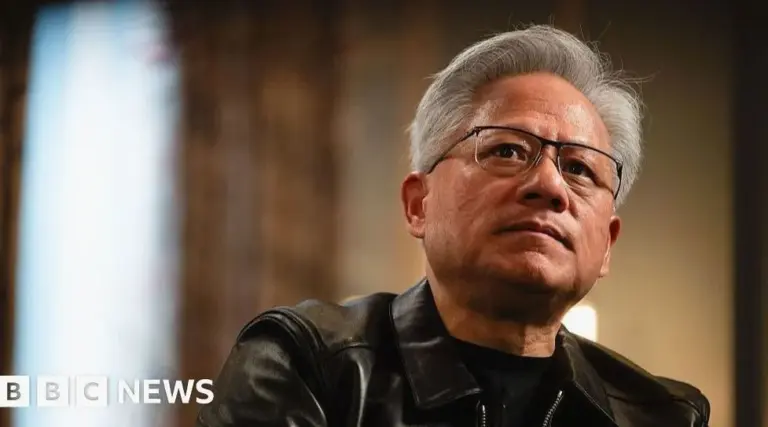
Nvidia is facing a corporate and geopolitical crisis following revelations that CEO Jensen Huang engaged in a romantic relationship with a woman alleged to be a spy for the Chinese government. To manage the fallout, the semiconductor giant has enlisted Wachtell, Lipton, Rosen & Katz, one of the most prestigious law firms in the United States. Former U.S. Attorney Joon Kim will spearhead what the company describes as a thorough and independent investigation into the matter, while the FBI simultaneously conducts its own federal probe.

The situation centers on Alice Huang, an executive at Megaspeed, a Singaporean firm and Nvidia customer previously scrutinized for allegedly diverting chips to China. While Nvidia maintains it was never warned by the U.S. government about intelligence concerns regarding Megaspeed, reports indicate that Secretary of State Marco Rubio had flagged Huang’s relationship to Washington officials as early as this spring. Despite these warnings, President Donald Trump stated he believes Jensen Huang’s claim that he was entirely unaware of her alleged espionage activities.

The scandal has sent shockwaves through the financial markets, wiping nearly 500 billion dollars off Nvidia’s market value since Friday as shares plummeted toward a yearly low. Given that Nvidia produces the essential hardware powering the global artificial intelligence boom, US officials view the company as a pillar of national security. Any potential breach of confidence involving its leader could have significant implications for the American effort to maintain technological superiority over Beijing in the AI race.

As internal investigators scramble for answers, political pressure is mounting on Capitol Hill. Leaders of the House Committee on Foreign Affairs have requested that Jensen Huang appear for a closed door briefing next week to address potential vulnerabilities. Although Nvidia’s board insists there is currently no evidence that company secrets were compromised, they acknowledge that because Huang is so inextricably linked to the brand’s identity, resolving this controversy is an urgent priority for survival.