
Archive

November 9, 2026

Browsing

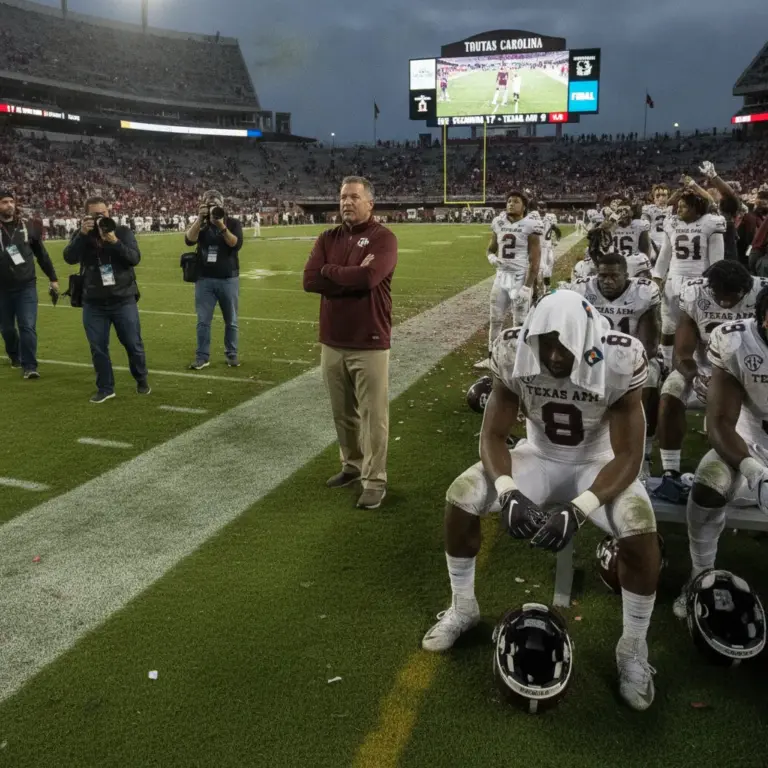
Texas A&M walked away from Williams-Brice Stadium on Saturday with plenty of yardage but no victory, falling 17-9 to number 21 South Carolina. On paper, the Aggies dominated much of the contest, racking up 457 total yards and entering the final frame with a slim lead. However, a late collapse saw them surrender ten unanswered points in the fourth quarter, dropping their record to 4-5 overall and 1-5 in SEC action. Now facing a steep climb toward bowl eligibility, the team must win two of its remaining three games to save their season.

The story of the day was a glaring inability to finish drives. While quarterback Reed managed 251 yards through the air without turning the ball over, he couldn’t find the end zone for a third time in conference play. This struggle was epitomized by receiver Horton, who led the team with 78 receiving yards but suffered several devastating drops, including a first-and-goal opportunity in the third quarter that would have shifted the entire momentum of the game. Between these mistakes and untimely penalties near the goal line, an offense that looked potent between the twenties became stagnant once it reached striking distance.

Despite the outcome, there were bright spots among individual performances. Running back Owens provided a spark with his most explosive outing of the year, averaging over seven yards per carry and highlighting his afternoon with a massive 44-yard burst. Defensively, senior safety Ratcliffe anchored a unit that stifled South Carolina for long stretches, limiting them to just four third down conversions throughout the match. Even special teams played a pivotal role in keeping things close, as punter White delivered a masterclass in field position by pinning every single one of his four punts inside the opponent’s twenty yard line.

Ultimately, these strong individual efforts weren’t enough to overcome a recurring pattern of inefficiency against high level SEC opponents. Controlling the clock and gaining yardage means little when touchdowns remain elusive, and for Texas A&M, those missed opportunities proved fatal. As they look ahead to their final stretch of the schedule, solving the mystery of how to convert red zone trips into six points will be the difference between postseason play and another disappointing autumn.
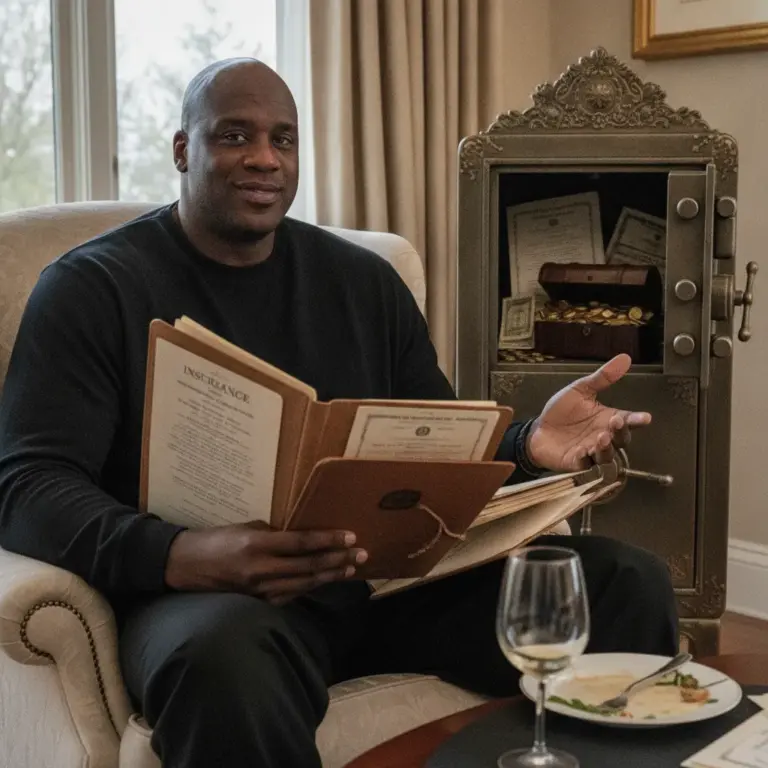

Shaquille O’Neal is widely known for his larger than life personality and dominant presence on the basketball court, but it turns out he possesses a surprisingly conservative streak when it comes to his finances. During a recent appearance on the Dinner Party podcast, the NBA legend revealed that he established a foolproof backup plan years ago to ensure he would never go broke, even if his more aggressive investments failed. This strategy involves a heavy investment in annuities, which essentially act as a guaranteed paycheck for retirees. Starting next spring, when O’Neal turns 55, these accounts are expected to pay him roughly one million dollars every single month.

This disciplined approach to wealth management didn’t come naturally to Shaq. He admitted that back when he was twenty years old, he once blew through a million dollars in just one day. The turning point came after a chance encounter with a wealthy man who used a torn piece of napkin to illustrate a simple rule for staying rich: spend twenty five percent of your earnings and save seventy five percent. Following that advice, O’Neal shifted his habits toward aggressive saving and eventually sought out low risk financial products like annuities to serve as an insurance policy against potential losses.

Beyond his own savings, O’Neal is applying the same rigor to how his children will handle their inheritance. In keeping with his lifelong commitment to education, which saw him earn multiple degrees including a doctorate, he has informed his kids that they won’t see any of the family fortune without academic credentials. According to Shaq, anyone wanting to touch the cheese must first obtain both a bachelor’s and a master’s degree.

While he has enjoyed some massive wins over the years, including an early stake in Google before it went public, O’Neal remains candid about the volatility of wealth. He joked that while the Google investment was a huge hit, most of those gains disappeared during his 2009 divorce. That experience likely reinforced why he finds comfort in the unglamorous stability of monthly payouts rather than relying solely on the whims of the stock market.

Democratic leaders are entering the new congressional term with a clear understanding that their recent sweep of the midterms was fueled by a desperate public demand for affordability. Presumptive House Speaker Hakeem Jeffries and Senate Leader Chuck Schumer have both signaled that they view this as a change election, pledging to fight for every American struggling with the cost of living. However, while the party now holds the keys to the legislative branch, they face a daunting structural reality. Without a supermajority to override presidential vetoes or the numbers to easily break Senate filibusters, the path from campaign promise to actual law remains narrow.

Some analysts warn that this gap between expectation and execution could leave voters feeling betrayed. There is a concern that while Democrats promised relief, many citizens may not fully grasp the limitations of divided government. To navigate this, strategists suggest focusing on the power of agenda setting. By controlling which bills reach the floor, Democrats can force Republicans to take uncomfortable votes on highly popular measures, such as lowering prescription drug costs or expanding childcare. This tactic allows them to draw a sharp contrast between their priorities and those of the administration, effectively using the legislative process as a political megaphone even when final passage is uncertain.

To bypass traditional roadblocks, figures like Senator Elizabeth Warren are urging the party to lean heavily on budget reconciliation, a procedural tool that allows certain fiscal bills to pass with a simple majority. Beyond technical maneuvers, some members are suggesting an aggressive approach toward President Trump’s veto pen. Rather than avoiding conflict, lawmakers like Senator Kirsten Gillibrand argue that passing common sense affordability bills and daring the president to veto them serves as an effective long term strategy. By framing any resulting vetos as attacks on working families, Democrats hope to build momentum leading up to 2028, ensuring that regardless of whether laws change immediately, the political narrative remains firmly in their favor.

Investors are staring down a precarious opening session tonight as Dow Jones, S&P 500, and Nasdaq futures prepare to trade following a brutal stretch for Wall Street. The markets are still reeling from last week’s performance, which saw widespread selling pressure culminate in a devastating slide on Thursday. While Friday offered some slight relief, the recovery remained tepid and inconsistent, leaving traders anxious about whether the downward momentum has truly bottomed out.

Adding fuel to the fire is a developing crisis at semiconductor giant Nvidia. The company’s board of directors has officially launched an independent investigation following reports that CEO Jensen Huang may have been targeted in a sophisticated foreign espionage plot. As one of the primary engines driving the current artificial intelligence boom, any instability at the helm of Nvidia tends to ripple across the entire tech sector, further complicating an already fragile environment.

Early indications suggest that tech futures are trending lower as news of the probe spreads. This combination of systemic market weakness and corporate turmoil creates a challenging backdrop for Sunday evening’s open. Analysts will be watching closely to see if the broader index can absorb these shocks or if the spying allegations against Huang’s circle will trigger another wave of panic selling among institutional investors.