Archive

November 16, 2026

Browsing

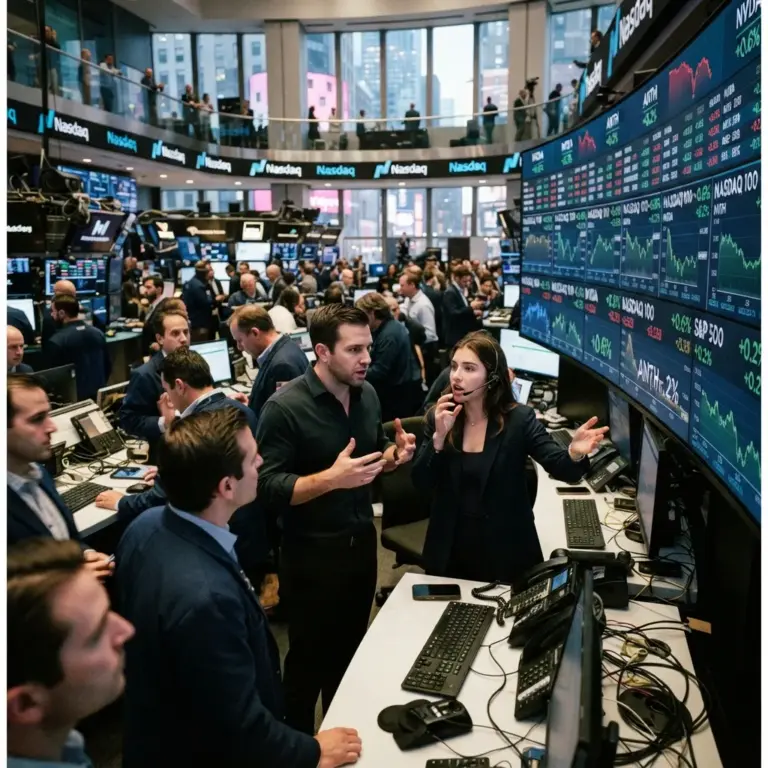
Wall Street is bracing for a high stakes week as stock futures edged higher on Sunday night, signaling cautious optimism following a period of intense volatility. Investors are keeping a close eye on the tech sector, where anticipation is building for both an earnings report from Nvidia and a massive public market debut by AI powerhouse Anthropic. Early indicators show modest gains across the board, with Nasdaq 100 futures climbing zero point six percent and the S&P 500 advancing slightly, suggesting that markets are attempting to stabilize after a whirlwind stretch of trading.

Much of the current tension centers on Nvidia, which prepares to release its financial results on Tuesday afternoon. While analysts anticipate explosive year over year growth in both revenue and earnings, the conversation has shifted away from balance sheets toward leadership stability. The company is reeling from the sudden resignation of longtime CEO Jensen Huang amid personal scandals involving allegations of extramarital affairs and ties to foreign espionage. This turmoil triggered a thirteen percent plunge in share price last week, leaving interim CEO Colette Kress with the daunting task of restoring investor confidence during Tuesday’s conference call.

Adding to the excitement is Anthropic’s looming initial public offering, which could rewrite the record books for AI valuations. The company is targeting a staggering one point four trillion dollar valuation, with shares expected to price between seventy and seventy eight dollars. Despite the drama surrounding Nvidia, broader markets ended last week on a strong note, with major indices posting some of their largest weekly gains since August, led largely by surges in energy and industrial sectors.

Meanwhile, global eyes are turning toward Asia as Japan and China prepare to release critical economic data today. Traders are awaiting Japanese GDP figures, which are expected to show a significant slowdown in growth compared to previous quarters. In Hong Kong and Tokyo, futures suggest a positive start to the session even as Australia’s benchmark index dipped slightly in early movements, highlighting a complex global landscape where macroeconomic data competes with corporate drama for attention.
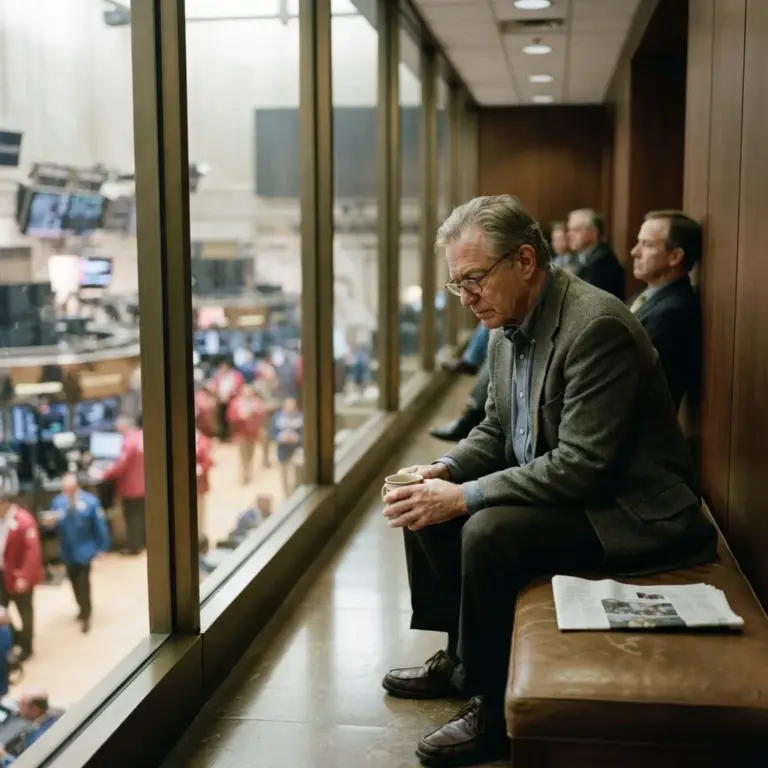
Investors are feeling a growing sense of unease as several economic headwinds converge at once. With inflation remaining stubborn, the Federal Reserve signaling further interest rate hikes, and geopolitical instability continuing abroad, the atmosphere surrounding the U.S. stock market has turned cautious. Recent slips in the S&P 500 and sharper drops in the Nasdaq-100 have led many to wonder if we are standing on the precipice of a true bear market, especially as doubts emerge regarding whether the current AI-driven growth surge can maintain its momentum.

The instinctive reaction for most people during these periods is to retreat and wait for the dust to settle. There is a common fear that a small dip is merely the precursor to a massive crash, similar to what happened during the financial crisis of 2008 or the dotcom bubble. However, history suggests that trying to time these bottoms is a dangerous game. Markets often rebound with surprising speed, sometimes before an investor even realizes it is safe to return, meaning those who sit on the sidelines frequently miss the most critical days of recovery.

Successfully timing the market requires an investor to be right twice: first when exiting and second when reentry occurs. For most individuals, this level of precision is nearly impossible and relies more on luck than strategy. Instead of guessing where the floor is, historical data supports a much simpler approach known as automated investing. By maintaining steady contributions through a 401(k) or recurring brokerage transfers regardless of price fluctuations, investors effectively buy more shares when prices are low without having to stress over daily volatility.

Ultimately, automation removes the emotional burden from wealth building and lowers the average cost of investments over time. While this method might not guarantee buying at the absolute lowest point of a crash, it ensures that you are positioned for growth when the inevitable swing back toward a bull market begins. In an industry obsessed with complex maneuvers and rapid trades, sticking to a disciplined, hands-off routine remains one of the few strategies where doing less actually yields better long term results.

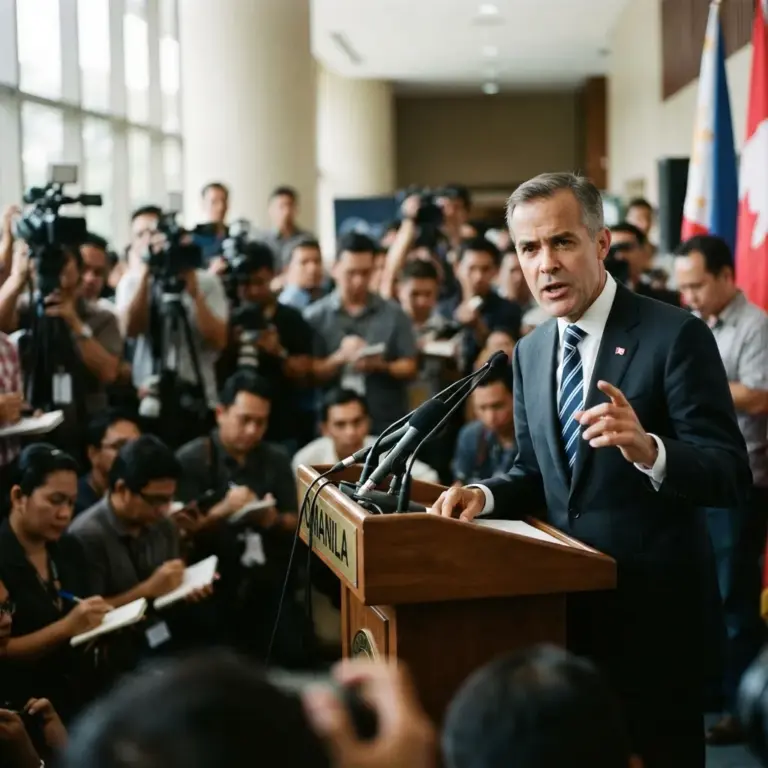
Tensions between Ottawa and Washington have reached a boiling point as Canadian Prime Minister Mark Carney signaled he will not buckle under pressure from President Trump regarding trade demands. Speaking in Manila, Carney made it clear that Canada refuses to ink any new agreement that jeopardizes the sustainability of its domestic automotive sector. This hardline stance follows the collapse of bilateral negotiations three months ago when sudden demands from the United States threatened to dismantle Canadian vehicle manufacturing. While Carney acknowledged that a swift resolution serves both nations, he insisted that protecting Canadian workers remains non negotiable.

In an ambitious effort to decouple its economic fate from the whims of the American market, Canada has launched a massive national budget titled Masters of our Destiny. The 142.1 billion Canadian dollar initiative aims to overhaul the country’s growth model by leveraging domestic oil revenues to fund critical minerals mining, energy production, and housing. Finance Minister François Philippe Champagne described the move as a strategic pivot toward independence, ensuring that Canada remains resilient regardless of political volatility south of the border or shifts in global trade dynamics.

Meanwhile, similar patterns of diversification are emerging in Africa as South Africa pivots toward Beijing. After losing duty free access to American markets via the African Growth and Opportunity Act, Pretoria has leaned into China’s zero tariff policies for qualifying exports. Recent data shows a significant surge in bilateral trade, with shipments to China jumping nearly twenty five percent over a few short months. Chinese Ambassador Wu Peng expressed optimism that this partnership will continue to expand high value exports from South Africa into Asian markets. Together, these moves suggest a growing international trend where traditional allies and partners seek stability outside the influence of U.S. trade policy.

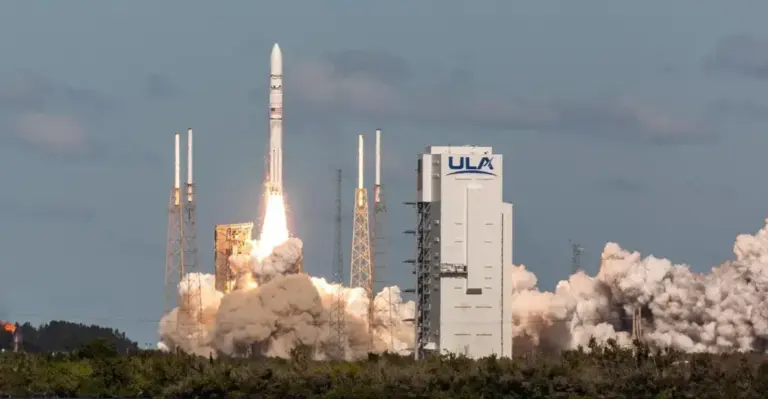
United Launch Alliance experienced a stunning blow to its perfect track record this week when its Vulcan rocket failed during a critical mission for Amazon. The incident marks the first reported failure in the company’s twenty year history, ending in disaster just ten minutes into the flight. A sudden anomaly prevented the vehicle from reaching its intended destination, resulting in the total loss of forty satellites destined for Project Kuiper.

This setback comes at a precarious time for Amazon as it attempts to build out its own low earth orbit network to compete with Elon Musk’s Starlink. While SpaceX has already established a dominant presence in satellite internet, Amazon has struggled to gain momentum, having deployed only a fraction of the hardware needed to mount a serious challenge. This specific flight was meant to kick off an ambitious series of thirty eight launches contracted between the two companies.

Despite the wreckage, both organizations are maintaining a front of stability and cooperation. In a public statement via social media, ULA acknowledged the malfunction and promised full transparency while investigators work to determine exactly what went wrong aboard the Vulcan vehicle. They noted that data confirmed the failure shortly after liftoff from Space Launch Complex 41, though they have yet to pinpoint the root cause.

Amazon echoed this sentiment of resilience, reminding observers that high stakes and inherent risks accompany every space venture, particularly regarding inaugural missions like LV-01. By framing the crash as a learning opportunity rather than a dealbreaker, Amazon signaled that it still trusts ULA to execute its long term vision for global connectivity once the technical glitches are resolved.