
Archive

November 12, 2026

Browsing

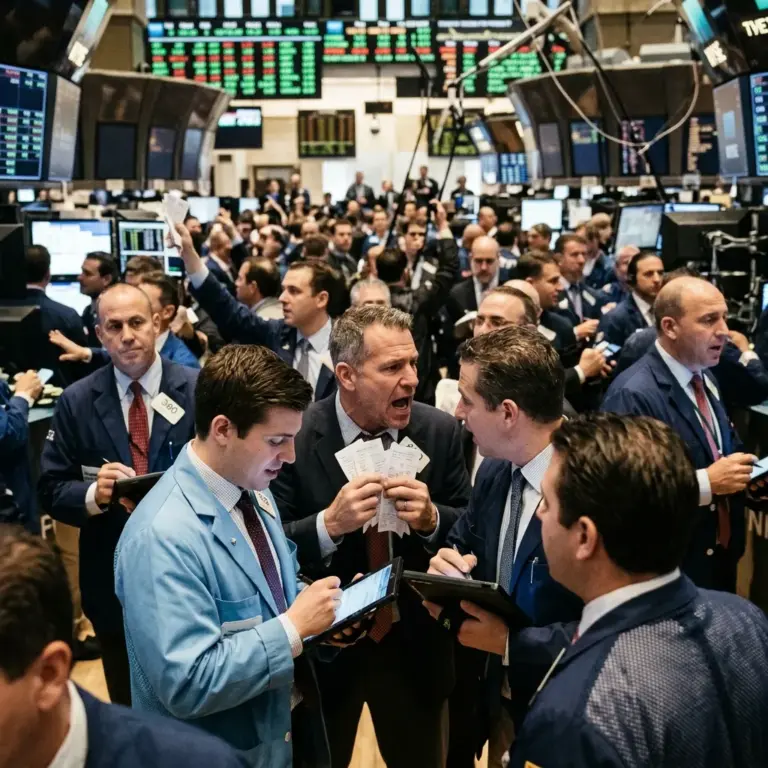
Investors returned to the semiconductor sector in force on Monday, sending Intel shares climbing more than seven percent to close at sixty two dollars and fifty cents. The surge was part of a broader rally across the chip industry, fueled by renewed confidence in the demand for artificial intelligence infrastructure. Other major players followed suit, with Advanced Micro Devices jumping over seven percent and Nvidia also posting gains, helping lift both the S&P 500 and the Nasdaq Composite.

The sudden shift in sentiment comes largely on the heels of impressive third quarter results from CoreWeave, a cloud provider specializing in AI. By reporting revenue of three point seven billion dollars and raising its full year outlook, CoreWeave provided tangible evidence that the appetite for AI hardware remains insatiable despite recent political headwinds. This financial performance helped quiet fears that had plagued the sector following last week’s midterm elections, where Democratic gains sparked worries about potential regulatory crackdowns on data centers.

For Intel specifically, today’s jump represents a critical recovery from a rocky October. The company had previously seen its stock tumble after issuing a cautious fourth quarter forecast rooted in a struggling personal computer market. While high prices and component shortages continue to hamper PC sales, the massive growth in data center needs appears to be outweighing those losses for now. Trading volume for Intel surged well above its three month average as buyers bet on the company’s ability to pivot toward these higher growth areas.

Moving forward, analysts suggest that while current momentum is strong, investors will remain focused on Intel’s progress within its foundry services and overall data center trajectory. For now, however, the narrative has shifted away from legislative anxiety and back toward the sheer scale of the AI buildout, providing a much needed lifeline for companies attempting to navigate a volatile transition period in computing technology.

For many people looking to enter the stock market, the sheer volume of choices can be overwhelming. However, some of the most successful strategies are often the simplest. The Vanguard S&P 500 ETF, known by its ticker symbol VOO, has become a favorite for those seeking a reliable path to wealth without the stress of picking individual winners and losers. By tracking the largest companies in the United States, it offers a diversified approach that effectively lets investors bet on the overall strength of the American economy rather than the luck of a single CEO.

Looking at historical data provides a compelling glimpse into what consistent saving can achieve over two decades. For someone capable of contributing five hundred dollars every month, the potential outcomes vary based on market performance but remain impressive across the board. If the fund maintains a conservative eight percent annual return, an investor could see their portfolio grow to roughly two hundred seventy three thousand dollars. A ten percent return would push that figure up to about three hundred forty two thousand dollars. Most enticingly, if VOO continues its trend from since its inception in twenty ten—averaging around twelve point five percent annually—that same monthly habit could result in nearly four hundred fifty six thousand dollars after twenty years.

Of course, history is not a guarantee of future results, and any investment in equity comes with inevitable periods of volatility. Market dips are certain to happen, but proponents of index funds argue that these rough patches are merely noise in a larger upward trajectory. Because VOO carries such a low expense ratio and represents hundreds of leading firms, it functions as a set it and forget it tool for building long term security. Rather than trying to beat the market through complex trades, staying disciplined with automatic contributions remains one of the most proven methods for growing personal wealth over time.

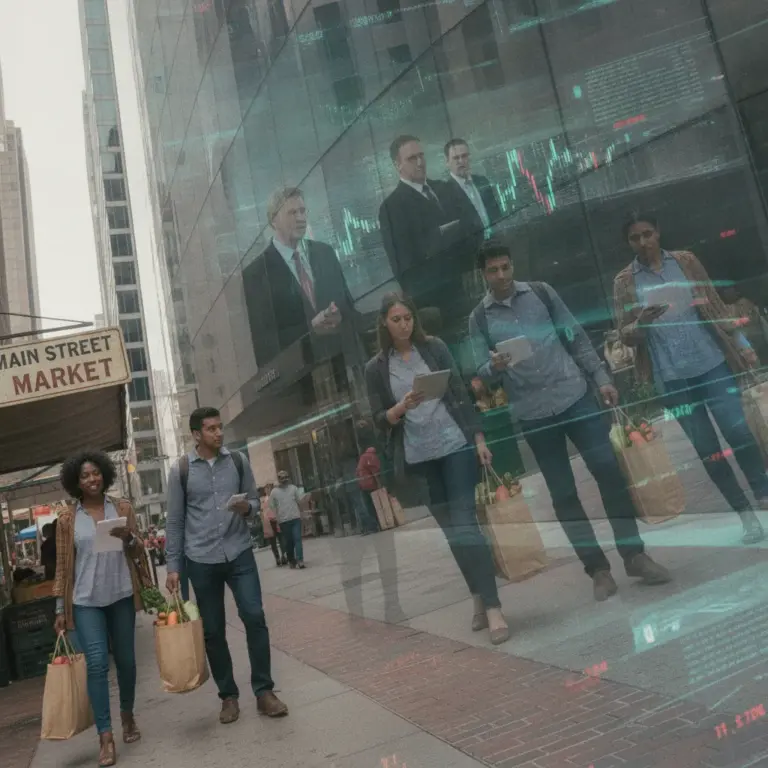
For decades, economists have relied on a comforting mantra that the stock market is not the economy. The idea was simple enough: while traders gamble on future expectations and corporate growth, the actual economy consists of jobs, wages, and how much people spend at the grocery store. However, recent trends suggest that this wall between investor sentiment and daily reality has become increasingly porous, leaving many to wonder if the two have finally merged into one signal.

A prime example of this shift can be seen in the behavior of retail giants like Walmart. Analysts are closely watching these stocks as recession signals because they act as a barometer for the average consumer’s wallet. When shoppers start trading name brands for generic labels or cutting back on non essentials, it shows up in company earnings long before it hits official government data. In this sense, the movement of certain stocks provides a real time window into the financial struggles of households across the country.

At the same time, there is growing anxiety surrounding the meteoric rise of artificial intelligence companies. While AI has driven market indices to dizzying heights, some experts warn that we are staring at a speculative bubble reminiscent of the dot com era. Reports from organizations like the Open Markets Institute suggest that if this particular burst happens, it won’t just hurt wealthy investors but could send shockwaves through the broader economic infrastructure.

Ultimately, whether we call it a mirror image or a mirage, the disconnect between Wall Street and Main Street is shrinking. As high tech valuations intertwine with consumer spending patterns, ignoring the stock market as an economic indicator may no longer be possible. We are entering an era where a crash in a digital boardroom can feel almost instantaneous at a checkout counter thousands of miles away.

United Airlines is stepping back from the automation trend by officially banning artificial intelligence agents from booking flights on behalf of passengers. The carrier announced the move on Wednesday, pointing toward significant security vulnerabilities and potential legal complications. As more people rely on sophisticated AI tools from companies like OpenAI and Meta to handle daily chores and shopping, United argues that giving these bots access to sensitive payment details and account credentials opens the door to identity theft, accidental purchases, and the unauthorized use of loyalty miles.

Beyond data privacy concerns, the airline highlighted specific regulatory hurdles that automated systems cannot legally clear. Federal rules require travelers to personally certify that their luggage contains no prohibited items during the check-in process, a verification step that a software agent simply cannot perform. To enforce this stance, United is updating its ticketing policies and implementing technical restrictions across its digital platforms and partner agencies to block unauthorized third party assistants.

Industry experts suggest this decision is about more than just safety; it is a strategic play for control. Aviation analyst Henry Harteveldt notes that United likely wants to prevent another powerful layer of intermediaries from sitting between the brand and its customers. By cutting off AI bots, the airline avoids the high infrastructure costs associated with surges in automated flight searches while ensuring they maintain a direct relationship with the traveler.

This approach puts United at odds with some competitors, such as Southwest, which has embraced integration by making its inventory accessible through ChatGPT. While traditional search engines and travel aggregators like Google Flights and Kayak will still be able to list United’s fares, those looking for a fully autonomous concierge experience will find themselves blocked. In essence, while finding a cheap ticket remains easy, letting a robot buy it for you is now against company policy.