Archive

November 26, 2026

Browsing

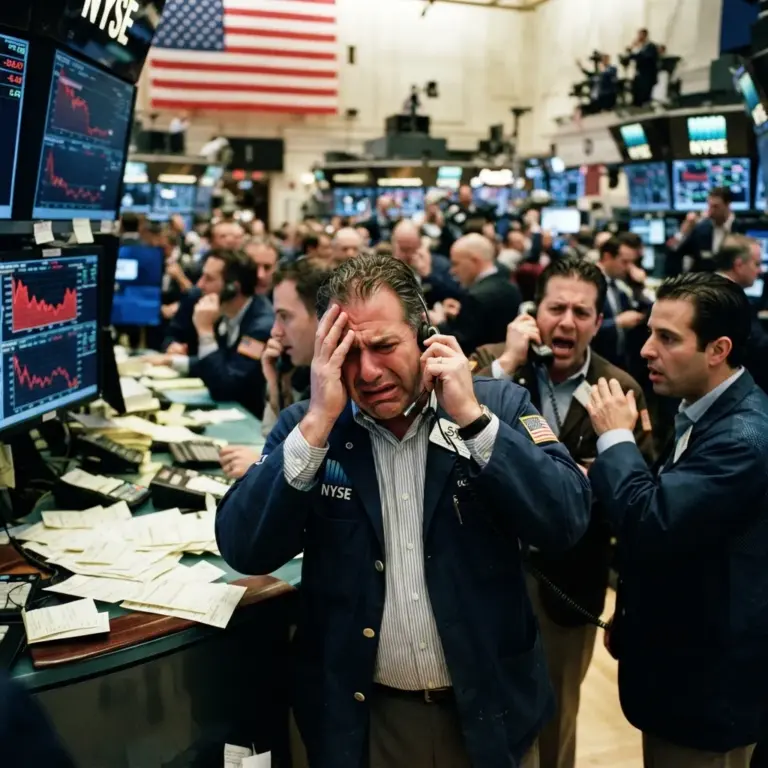
Wall Street entered a freefall on Wednesday following the Trump administration’s announcement of aggressive new tariffs targeting fourteen major trading partners. The move, which includes heavy levies on China and the European Union, sent the tech-heavy Nasdaq tumbling nearly four percent in early trading, while the S&P 500 and Dow Jones also saw significant losses. Investors are grappling with the potential for heightened macroeconomic volatility and inflationary pressure as the U.S. moves toward a more protectionist stance just ahead of the December G20 summit.

The centerpiece of the strategy targets China with a twenty percent tariff, compounding existing duties from Trump’s first term. Washington claims these measures are necessary to combat unfair advantages created by excess industrial production, specifically regarding electric vehicles, solar products, and steel. While some Chinese imports remain exempt through a specific bilateral board, Beijing has dismissed the accusations of overcapacity as mere political manipulation designed to destabilize trade relations between the world’s two largest economies.

Beyond China, the reach of these tariffs extends across Asia and Europe, impacting nations such as Japan, South Korea, India and Switzerland. Even Brazil finds itself in the crosshairs, facing proposed taxes on finished aircraft from Embraer and increased duties on sugar exports. Some legal experts have criticized the administration’s reliance on Section 301 of the Trade Act of 1974, arguing that the investigative process is being used cynically to bypass congressional authority and grant the president unilateral control over national tax rates.

International reactions have been swift and largely defensive. The European Union has firmly rejected claims that it contributes to global overcapacity, suggesting instead that Europe is one of the regions most vulnerable to such imbalances. Similarly, Swiss officials expressed strong disagreement with the findings produced by U.S. investigators. In contrast, Norway emerged as a rare bright spot in the diplomatic fallout after it was excluded from the latest round of penalties following an investigation into its own trade practices.


The National Basketball Association is preparing to make its most ambitious move across the Atlantic yet, signaling a massive shift in how the league views its global footprint. In an unprecedented strategic pivot, the NBA intends to pour ten billion euros into the development of state of the art arenas throughout Europe. This investment represents more than just a financial commitment; it is a clear declaration that the league sees Europe not merely as a market for broadcasting rights, but as a primary hub for live growth and infrastructure.

Industry insiders suggest that this surge in spending is modeled after recent domestic successes, such as the cutting edge Intuit Dome which serves as the home of the LA Clippers. By bringing that same level of luxury and technological integration to European cities, the NBA hopes to create high performance venues that can host both elite international competitions and local events. The goal is to bridge the gap between American sports entertainment standards and the existing facilities available in major European capitals.

This wave of construction could fundamentally alter the landscape of basketball in regions where soccer has traditionally dominated the venue space. While specific locations have not been finalized, analysts believe the funding will target key markets where interest in hoops is skyrocketing among younger generations. If successful, these multipurpose hubs would provide a permanent physical anchor for the brand on foreign soil, ensuring that every game played abroad feels like a premier event rather than a temporary exhibition.

The United States economy performed significantly better than first thought during the last quarter, leaping to an annualized growth rate of 4.3 percent according to new data from the Commerce Department. This figure represents a substantial upgrade from the initial estimate of 3.4 percent, marking the strongest period of expansion the country has seen in three years. Much of this momentum can be attributed to a spike in business investment, particularly in software, which analysts view as a clear indicator that companies are pouring capital into artificial intelligence technologies.

Despite these high level gains, the Federal Reserve faces a complicated road ahead due to stubborn inflation. New reports show that the Personal Consumption Expenditures price index, the central bank’s favorite metric for tracking costs, ticked up to an annual rate of 3.8 percent in October. Because this remains nearly double the Fed’s long term goal of 2 percent, experts suggest there is now a much stronger justification for another interest rate hike next month to cool down the overheating market.

However, the macroeconomic boom feels distant for many average citizens who are struggling with dwindling savings and stagnant wages. While there was a slight bump in the personal savings rate recently, largely driven by Medicare rebate payments rather than organic income growth, overall reserves remain well below where they were a year ago. Many households are feeling the pinch of higher prices and are beginning to tighten their belts accordingly.

This shift in behavior may signal a cooling trend for future growth, as real consumer spending actually flattened in October once adjusted for inflation. Economists warn that we are seeing the return of the cautious consumer, suggesting that many families will enter the upcoming holiday season focused more on bargains and budgets than big purchases. Whether this prudence will eventually drag down GDP remains to be seen, but for now, it highlights a stark divide between corporate prosperity and household stability.

Jensen Huang returned to the helm of Nvidia with a confession that few CEOs ever voice publicly. During his first all-hands meeting since resuming his role, Huang admitted to violating the company’s own code of conduct. While he insisted that these rules apply to every single person in the organization, he quickly added a crucial caveat. According to reports from Wired, Huang clarified that a violation does not automatically lead to someone being walked out the door, noting that facts and specific circumstances must be assessed first. It was a calculated admission that effectively signaled that while the rules exist, they may not result in the same consequences for the man at the top as they would for those below him.

This creates a precarious situation for Nvidia’s internal culture. Corporate codes of conduct often function less as strict legal documents and more as mirrors reflecting a company’s values. When high ranking leaders bypass these standards without tangible punishment, it rarely leads to legal crises but frequently triggers emotional ones. Ethics experts suggest that today’s workforce is particularly sensitive to hypocrisy in leadership. For many employees, especially younger professionals who prioritize ethical alignment, seeing a leader admit to breaking rules without facing repercussions can transform professional pride into resentment or embarrassment.

The long term danger is the creation of an internal legend centered on unfairness. History shows that when executives flaunt restrictions placed on staff, such incidents become shorthand for systemic injustice within the office walls. One expert cited an example of a CEO attending the Olympics during a travel ban, which became a permanent punchline and symbol of distrust among employees for over a decade. If Huang’s breach becomes similar folklore at Nvidia, it could erode the trust and loyalty that have historically driven the chipmaker’s success.

Typically, companies handle such scandals by removing the executive and launching a public apology tour to win back hearts and minds. However, Nvidia presents a unique challenge because Huang is viewed as nearly synonymous with the brand itself. Without a clear succession plan or another figure capable of maintaining his level of influence, replacing him is practically unthinkable for investors and board members alike. By positioning himself as indispensable, Huang has made it difficult for Nvidia to follow the standard corporate playbook for accountability.

For now, it seems morale remains intact given how strongly employees campaigned for Huang’s return. Yet as pressure mounts in an increasingly competitive AI landscape, this willingness to bend the rules might leave a lasting mark. The immediate financial success of Nvidia may shield Huang from formal discipline, but it cannot protect him from the slow decay of employee trust should they decide that the code of conduct is merely a suggestion for those in power.