Archive

November 19, 2026

Browsing

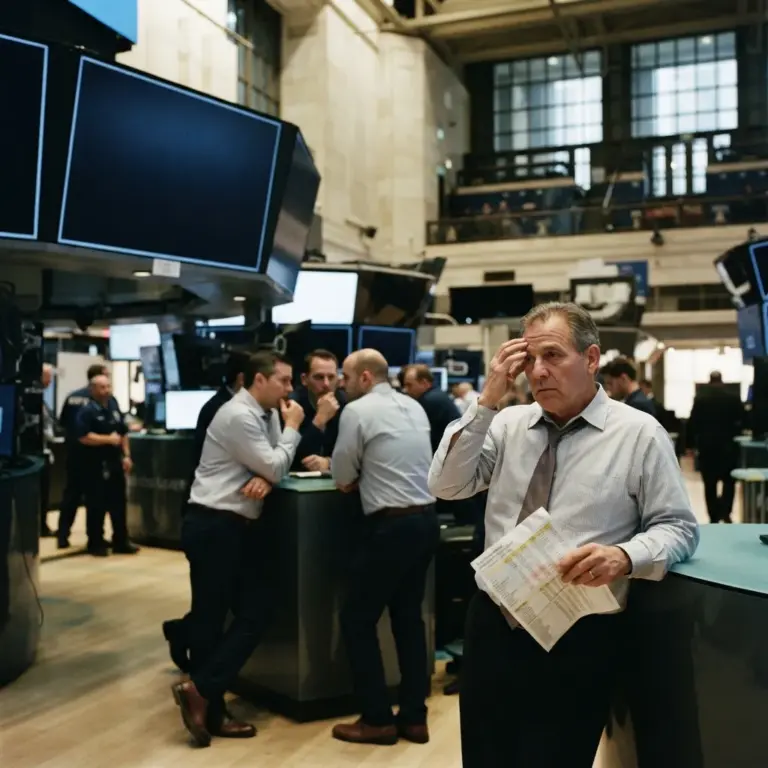
Wall Street entered Wednesday night in a state of quiet anticipation, with U.S. equity futures remaining largely flat as investors prepared for the public trading debut of Anthropic. After a turbulent regular session where the Dow plummeted over five hundred points and the S&P 500 extended its losing streak to five straight days, markets seemed to pause. Traders are now shifting their focus toward Thursday morning, when the creator of the Claude AI assistant will begin trading on the Nasdaq under the ticker ANT.

The stakes for this initial public offering are high, particularly given a recent wave of skepticism regarding the profitability of massive artificial intelligence investments. While sources indicate that Anthropic priced its shares at eighty three dollars per share, exceeding initial expectations, the broader sector has been struggling. From Nvidia grappling with leadership changes to significant drops in specialized AI ETFs, there is a growing concern among investors that heavy infrastructure spending may not immediately yield substantial returns.

Industry experts view this launch as a critical litmus test for investor sentiment. Callie Cox of Plancorp noted that AI stocks are in desperate need of positive momentum to prove that the technology can live up to its towering valuations. However, she cautioned against reading too much into a single opening day, reminding investors that highly hyped IPOs often face volatility early on as they compete for a tightening pool of available capital.

Beyond the excitement surrounding Anthropic, analysts say Thursday will bring other essential data points to balance the scales. Market participants will be monitoring weekly jobless claims to gauge economic health and awaiting financial reports from retail giants like Walmart and Gap. Together, these events will determine whether the market finds its footing or continues its downward trend through the end of the week.
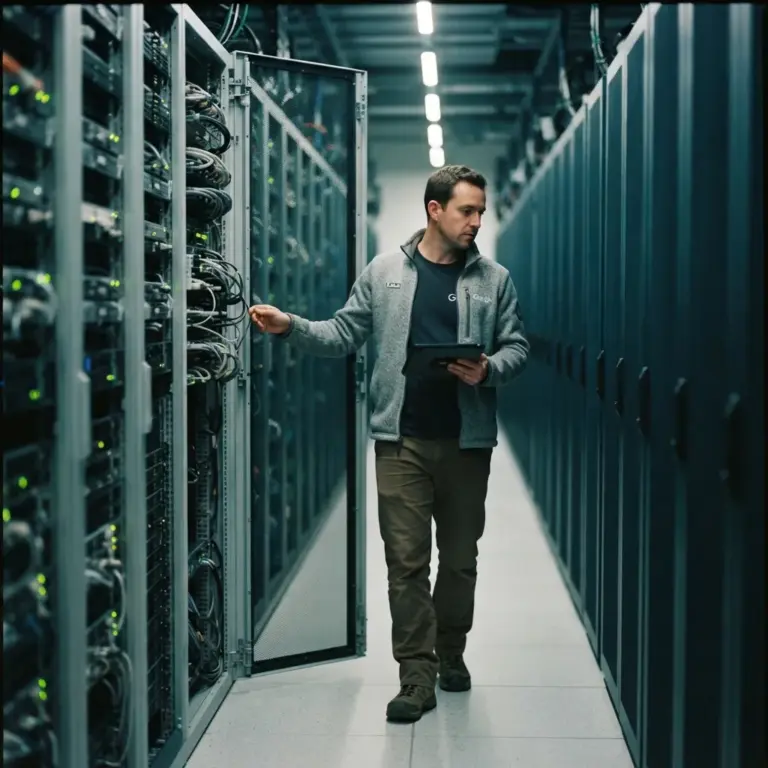

For decades, Alphabet has functioned as one of the most reliable engines for building wealth in the stock market, turning modest early investments into small fortunes through its dominance in search and video. Today, the company finds itself at another critical crossroads as it pivots toward an artificial intelligence future. For a retail investor putting $1,000 into the stock now, the outcome by 2035 depends largely on whether the company can turn its staggering infrastructure spending into sustainable profit margins.

The growth story is currently anchored by three main pillars. Google Search continues to be a powerhouse, seeing some of its strongest query growth in years thanks to AI integration. Meanwhile, Google Cloud has seen explosive revenue increases, doubling in some quarters as businesses scramble for AI solutions. Even YouTube remains a formidable force, bolstered by a rapidly expanding subscriber base for its music and premium services. Together, these segments suggest that Alphabet is well positioned to capture the next wave of digital evolution.

However, this ambition comes with a steep price tag. The company is pouring hundreds of billions of dollars into capital expenditures to build out the necessary computing power for AI, often spending more than its current operating cash flow allows. This financial strain has forced Alphabet to pause share repurchases and even issue new stock to raise capital. There is a lingering risk that these massive bets could disrupt traditional search habits or fail to deliver a sufficient return on investment, potentially diluting shareholder value along the way.

Despite those risks, many analysts see a compelling entry point given that shares have dipped significantly from their recent peaks. Under a moderate projection where earnings grow by ten percent annually, an initial thousand dollar investment could more than double over the next decade. A more optimistic scenario involving faster growth and higher valuations could yield even steeper returns. While not guaranteed, the combination of an affordable current valuation and a diversified portfolio of high growth assets makes Alphabet an intriguing prospect for patient investors looking toward 2035.

International Monetary Fund Managing Director Kristalina Georgieva issued a stark warning this week, suggesting that the global economy is currently standing on one leg. Speaking on the sidelines of the ASEAN summit in the Philippines, Georgieva argued that the world has become dangerously dependent on artificial intelligence for economic momentum. She cautioned that any sudden loss of investor confidence or a widespread retreat from the sector could destabilize financial markets and stifle overall growth.

At the heart of these concerns is a phenomenon known as circular financing, where investments poured into AI firms eventually flow back to those same investors via purchase orders. According to IMF estimates, this cycle has ballooned to over one trillion dollars, with roughly two thirds of that capital funded by debt. While Georgieva noted that the total sum isn’t massive relative to the entire global economy, she emphasized that the speed at which it has grown is deeply concerning.

The volatility surrounding Nvidia Corp serves as a primary example of this fragility. Recent scandals involving former CEO Jensen Huang have triggered a significant sell off in AI linked stocks, wiping trillions from market values and highlighting how central certain chipmakers are to the broader infrastructure buildout. Analysts warn that if funding pullbacks continue amid high interest rates, billions of dollars could vanish from the system almost overnight.

Despite these risks, AI remains a vital engine for current prosperity. Much of the recent surge in global exports and GDP forecasts has been driven by AI related goods, especially as other sectors struggle under an energy crisis fueled by conflict in Iran. However, Georgieva believes expectations have simply run ahead of reality. While she described recent market dips as orderly for now, she urged extreme caution, noting that if AI fails to meet its lofty promises, it could trigger a disorderly correction across multiple asset classes globally.

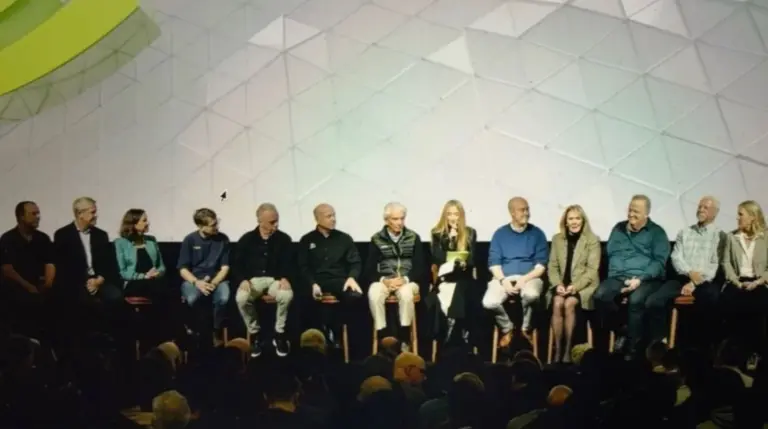
Interim CEO Colette Kress stepped onto the stage in Santa Clara this Wednesday to deliver a clear message to her workforce: it is time to move forward. In the company’s first all-hands meeting following the resignation of legendary founder Jensen Huang, Kress sought to project stability and momentum. Flanked by board chair Harvey Jones and other top executives, she focused on practical wins, announcing that annual reviews and associated pay raises and stock grants would be accelerated from March to December. While she characterized the most recent quarterly earnings as a great success, the atmosphere inside the room appeared far more complicated than the official corporate narrative suggests.

Despite the optimistic tone from the podium, a palpable longing for Huang persists among the rank and file. According to attendees, some employees are openly campaigning for his return via social media, while at least one senior staff member warned the board that irreplaceable talent could flee if Huang isn’t reinstated. This internal unrest coincides with a public tug-of-war between current management and their predecessor; just a day prior to the meeting, Huang signaled he was ready to step back into the role if invited. However, Board Chair Harvey Jones remained firm during a recent earnings call, stating that the board unanimously accepted the resignation and has no intention of reversing course.

The tension within Nvidia extends beyond just the employees, reaching deep into its own executive ranks. Some insiders have questioned why Jones made such a definitive statement regarding Huang’s permanent departure while certain investigations remain ongoing. Adding to the friction was a notable shift in tradition; whereas Huang historically used these gatherings to engage directly with staff through Q&A sessions, Wednesday’s presentation was strictly one-way communication with no opportunity for employee questions.

As Nvidia navigates this identity crisis, it does so against a backdrop of market volatility with shares sliding significantly from their peak over the last year. Although third-quarter earnings beat Wall Street expectations and suggested continued growth, investors and employees alike seem wary of whether any leader can fill the void left by Huang’s absence. For now, Kress is attempting to bridge that gap with financial incentives and calls for unity, but the shadow of the founder continues to loom large over everything happening in Santa Clara.