
Archive

November 21, 2026

Browsing

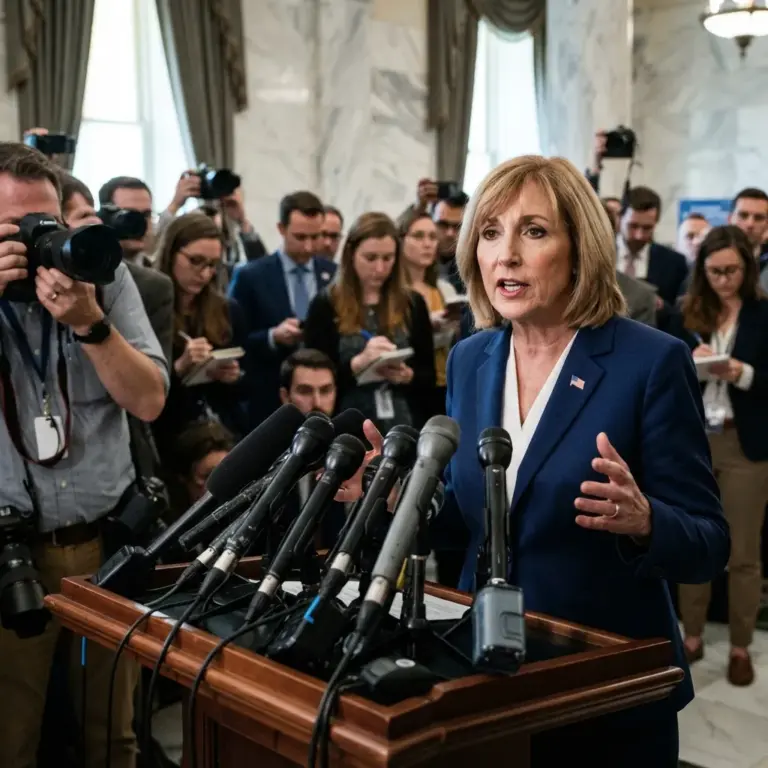
Senator Maggie Hassan is preparing to take a hard line against financial conflicts of interest in Washington. The New Hampshire Democrat announced Friday that her upcoming role as chair of the Homeland Security and Government Affairs Committee will provide the platform necessary to spearhead legislation banning members of Congress and executive branch officials from trading individual stocks. By prioritizing this measure, Hassan aims to address public frustration over lawmakers profiting from the markets while holding positions of immense regulatory power.

During her announcement, Hassan emphasized that the goal is simple: ensuring those in government remain focused exclusively on the people’s business rather than their own portfolios. While acknowledging that several different proposals currently exist, she stressed that any final bill must be definitive in its prohibition of individual stock trades. For Hassan, this move is an essential step in draining a specific corner of the political establishment where wealth accumulation can appear tied to inside information.

The senator noted that previous attempts at reform, such as the STOCK Act of 2012, were insufficient because they relied more on transparency and existing insider trading laws than on total prevention. As she moves toward leading these efforts in January, Hassan intends to use committee hearings to scrutinize potential loopholes and workarounds that could undermine the law. She believes the legislative process must include mechanisms to identify and close gaps quickly once they surface.

One of the most contentious parts of the upcoming debate will likely center on whether these restrictions extend to the spouses and children of government officials. Hassan admitted there are varying perspectives on how to handle family members without creating undue hardship, but she pledged that her committee would examine every detail to ensure the resulting law is actually effective and cannot be bypassed through relatives.

Cathie Wood is signaling strong confidence in the future of generative artificial intelligence by aggressively expanding her positions in Anthropic. Following the company’s recent debut on the Nasdaq, Ark Invest poured roughly 90.8 million dollars into the AI firm across six different funds. While many investors are cautious about current market volatility, Wood revealed during a CNBC appearance that she has held private shares of Anthropic since early 2023, noting that it has become the top performer within her venture fund thanks to its rapid adoption in the enterprise sector.

Despite an initial surge on its first trading day, Anthropic shares faced downward pressure shortly after, mirroring a broader dip in the tech-heavy Nasdaq. Wood remains unfazed by these fluctuations, describing the current investment climate as a climb up a wall of worry. She compared today’s anxieties regarding inflation and geopolitical instability to those felt during the economic booms of the eighties and nineties, suggesting that history shows markets can thrive even amidst significant global uncertainty.

To manage risk while building her position, Wood mentioned that she is averaging down through steady purchases over time. Although Anthropic currently represents a modest fraction of her flagship Ark Innovation ETF—which remains heavily weighted toward giants like Tesla and SpaceX—it fits into her long term strategy of backing disruptive technology. This approach comes at a critical time for Wood, whose reputation took a hit after massive losses following the pandemic boom, though she continues to bet on high growth innovation despite recent headwinds.

Addressing critics who compare the current AI craze to the dot com bubble of twenty years ago, Wood argued that today’s market is actually more grounded. She pointed out that if a company like Anthropic had gone public during the late nineties peak, its stock likely would have tripled in value on day one. By contrasting this with Anthropic’s more measured entrance into the public market, she suggests that we are seeing sustainable growth rather than an unsustainable speculative frenzy.

While political leaders often frame immigration through the lens of security or law enforcement, a growing chorus of economists warns that aggressive deportation campaigns are creating a massive hole in the American economy. Despite claims from officials like Vice President JD Vance, who recently attributed midterm losses to foreign wars and general economic instability without mentioning immigration policies, experts argue that removing millions of people from the workforce is itself a primary driver of financial decline.

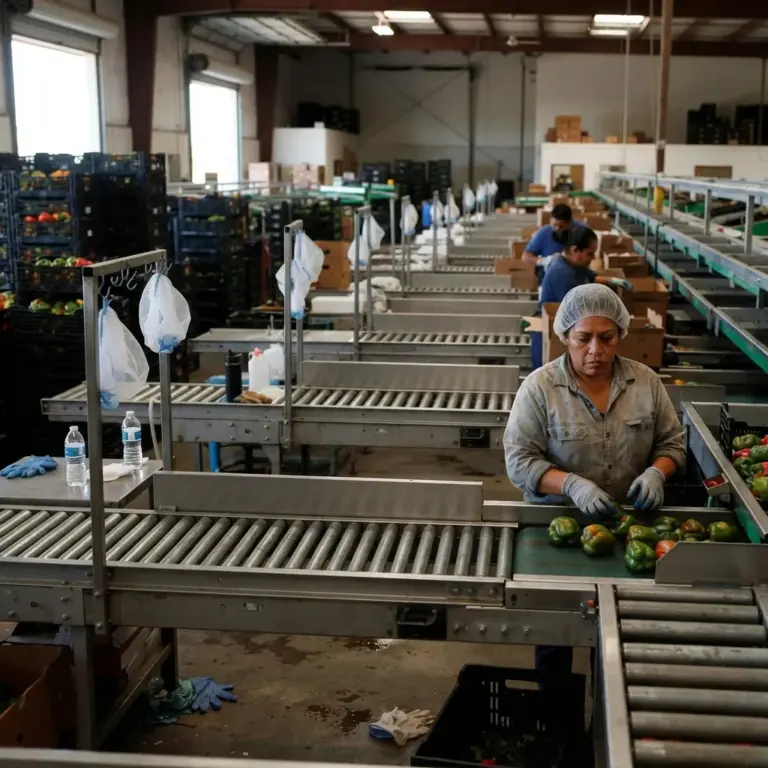
The impact is felt most acutely on the ground in local communities. In neighborhoods like the Bronx, small business owners report staggering losses as fear grips immigrant populations. Some shopkeepers have seen revenues plummet by up to thirty percent because terrified residents are staying home rather than visiting stores or restaurants. This creates a destructive cycle where fewer consumers lead to fewer available jobs for everyone, regardless of their citizenship status. Economists point out that immigrants act as both essential labor and vital customers who sustain local service industries.

Beyond the immediate loss of foot traffic, systemic changes in legal status are triggering broader macroeconomic shocks. Recent data indicates that over one million immigrants who previously held legal work authorization have lost their status due to revoked protections. This shift has stripped the construction, hospitality, and healthcare sectors of hundreds of thousands of experienced workers overnight. Researchers estimate that these combined disruptions could result in forty seven billion dollars in lost annual economic activity and thirteen billion dollars in missing tax revenue by the end of the year.

The administration continues to defend these measures, asserting that removing suspected criminals makes communities safer for legitimate businesses. However, critics highlight that a vast majority of those currently in detention lack any criminal convictions. For many former supporters of the current policies, the reality of seeing long term taxpayers and families torn apart has overshadowed the promise of increased safety, leaving them to wonder if the perceived security gains are worth such a steep national price tag.

The euphoric climb of artificial intelligence stocks has hit a turbulent patch, leaving many investors wondering if the sector has finally reached its limit. A wave of anxiety swept through the Nasdaq recently as several tech giants faced intense scrutiny over whether the massive capital expenditures required to fuel AI growth are actually sustainable. This skepticism weighed heavily on industry leaders like Alphabet, Meta, Amazon, and Microsoft, whose recent earnings reports failed to fully quiet fears about the long term return on investment for these expensive technologies.

Adding to the volatility is a growing sense of political and social friction surrounding the physical infrastructure of the AI revolution. Recent midterm indicators suggest an uptick in public opposition toward the construction of sprawling data centers, which often strain local power grids and water supplies. These grassroots concerns have translated into market nerves, suggesting that regulatory hurdles could slow down the rapid deployment of hardware necessary to keep the momentum going.

The situation grew even more chaotic with sudden turmoil surrounding Nvidia, the primary provider of the chips that power most modern AI systems. As leadership disputes and geopolitical tensions created fresh uncertainty around the company’s trajectory, shareholders reacted sharply, dragging down broader indices. While some government officials have stepped in to offer support for key commerce figures amidst the fallout, the immediate effect was a bruising session for those betting heavily on a seamless transition into an AI driven economy.