
While political leaders often frame immigration through the lens of security or law enforcement, a growing chorus of economists warns that aggressive deportation campaigns are creating a massive hole in the American economy. Despite claims from officials like Vice President JD Vance, who recently attributed midterm losses to foreign wars and general economic instability without mentioning immigration policies, experts argue that removing millions of people from the workforce is itself a primary driver of financial decline.
The impact is felt most acutely on the ground in local communities. In neighborhoods like the Bronx, small business owners report staggering losses as fear grips immigrant populations. Some shopkeepers have seen revenues plummet by up to thirty percent because terrified residents are staying home rather than visiting stores or restaurants. This creates a destructive cycle where fewer consumers lead to fewer available jobs for everyone, regardless of their citizenship status. Economists point out that immigrants act as both essential labor and vital customers who sustain local service industries.
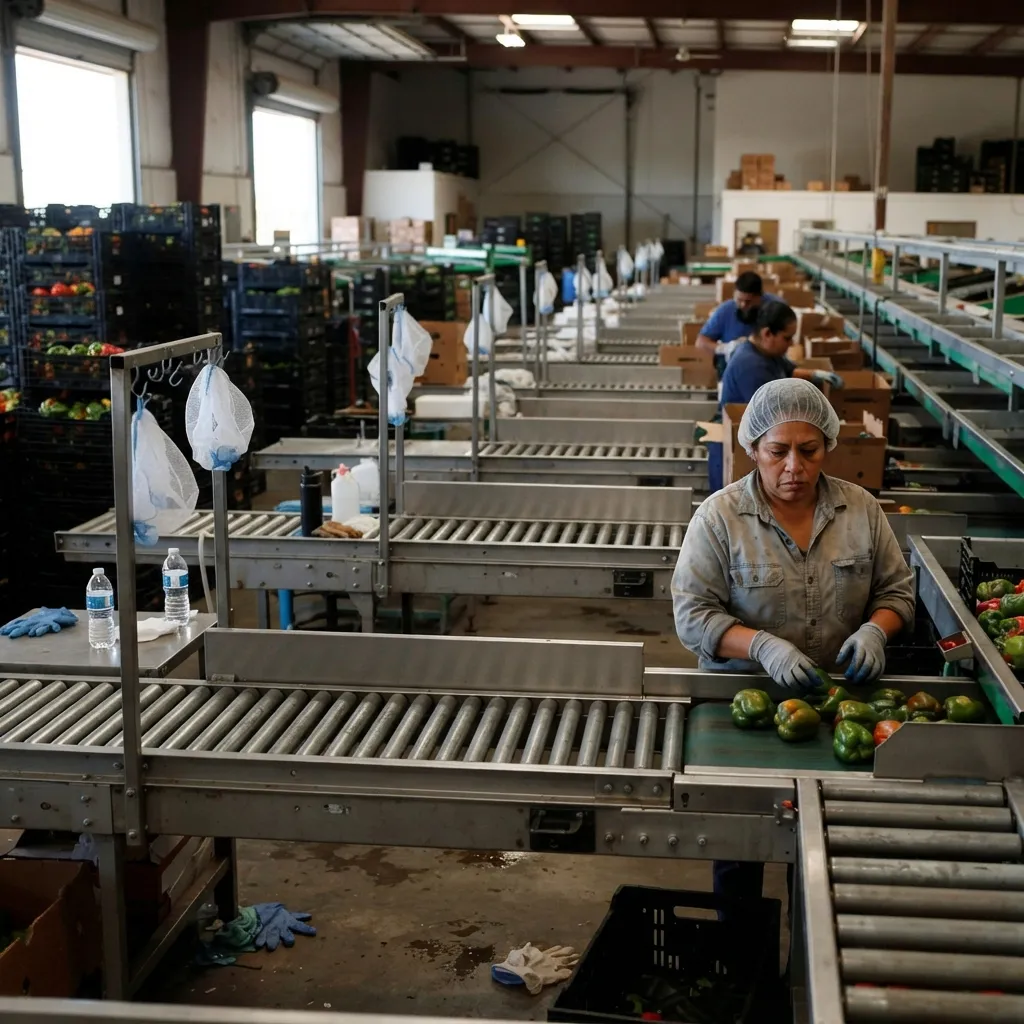
Beyond the immediate loss of foot traffic, systemic changes in legal status are triggering broader macroeconomic shocks. Recent data indicates that over one million immigrants who previously held legal work authorization have lost their status due to revoked protections. This shift has stripped the construction, hospitality, and healthcare sectors of hundreds of thousands of experienced workers overnight. Researchers estimate that these combined disruptions could result in forty seven billion dollars in lost annual economic activity and thirteen billion dollars in missing tax revenue by the end of the year.
The administration continues to defend these measures, asserting that removing suspected criminals makes communities safer for legitimate businesses. However, critics highlight that a vast majority of those currently in detention lack any criminal convictions. For many former supporters of the current policies, the reality of seeing long term taxpayers and families torn apart has overshadowed the promise of increased safety, leaving them to wonder if the perceived security gains are worth such a steep national price tag.